Data Centers and Energy Consumption
The Rising Share of Digital Infrastructure in Energy Consumption
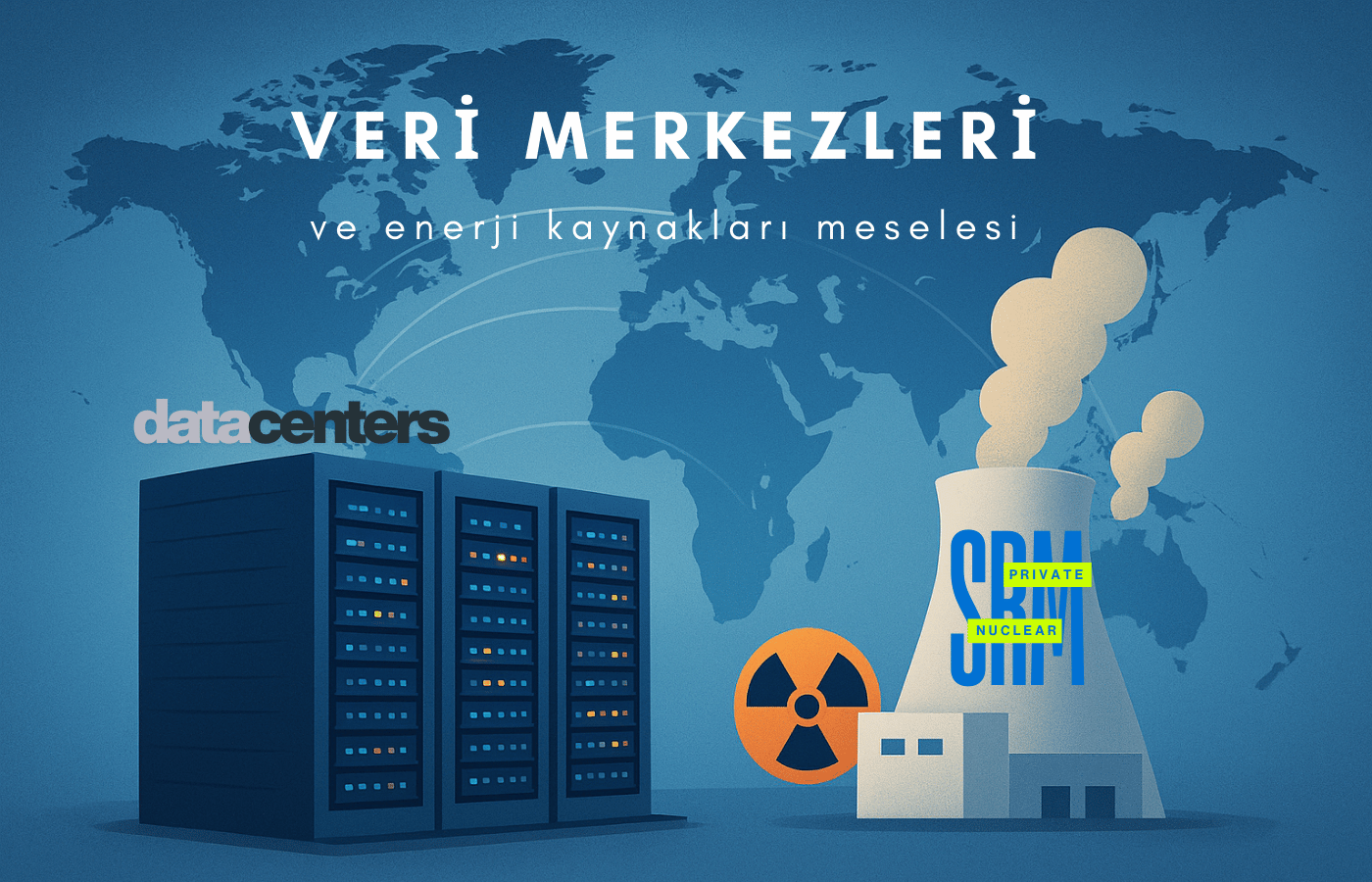
With the increasing digitization and the widespread adoption of AI applications, the energy demand of data centers is showing a significant rise worldwide. According to data for the 2023–2024 period, data centers account for approximately 1–2% of total electricity consumption. Due to cloud services, large language models, and continuous data flow, this energy consumption is expected to increase substantially over the next 5–10 years.
The driving factors behind this are massive server farms, high-performance processors, and the need for continuous operation. For example, a large hyperscale data center can draw 100–200 MW of power—comparable to the energy needs of a small town. A significant portion of this energy is used for cooling systems, as servers must be maintained at stable operating temperatures.
This high energy demand places considerable pressure on the global energy system in terms of carbon footprint, supply security, and sustainability. Renewable energy alone is often insufficient: solar and wind power are partial, seasonal, and grid-dependent, whereas data centers require continuous and stable electricity.
Private Nuclear Plants and Small Modular Reactors (SMRs): Plans and Challenges
In an environment with such high energy needs, some technology companies and energy investors are exploring Small Modular Reactors (SMRs) or private nuclear plants to secure their energy supply.
SMRs are smaller, modular reactors that require less capital and space than traditional large nuclear plants. They are theoretically suitable for energy-intensive facilities like data centers, offering high, stable energy production with low CO₂ emissions and reduced dependency on the grid.
However, practical implementation is challenging: regulatory approvals, high initial investments, nuclear waste management, societal acceptance, and safety concerns are major hurdles. Moreover, cost comparisons with renewable and energy-efficient project combinations remain debatable.
Currently, there are few concrete examples of private companies operating their own nuclear plants. However, companies with large data center investments—such as the “Magnificent Seven”—have shown interest in SMR initiatives and are actively engaging with authorities, especially in the U.S. My conclusion: SMRs are technically promising but not a standalone solution.
International Competition: Location Strategies and Security Concerns
Certain countries in Europe, North America, and Asia offer tax incentives, energy infrastructure support, and regulatory facilitation to attract data centers. Motivations include digital investment, job creation, technological independence, investor attraction, and strategic data sovereignty.
Some governments even view these centers as a “shield,” as digital infrastructure today is closely tied to defense, communications, finance, and healthcare. Centers under foreign control could pose a national security risk.
Site selection therefore involves more than geographic incentives; it also requires consideration of energy sources, environmental impact, infrastructure readiness, regulation, and oversight. Simply relocating centers domestically does not solve the problem if the infrastructure is unsustainable or energy supply insecure.
Economic Impacts and Long-Term Risks
Methods of meeting data centers’ energy needs affect investment and operating costs in the short term. High energy prices can raise the cost of digital services, affecting accessibility and competitiveness. SMRs or nuclear energy could stabilize costs in the long term but require high upfront investment, regulatory approvals, and societal acceptance.
In Turkey, SMRs are currently being considered as a potential strategy to reduce energy dependence, including Bill Gates’ TERRAPOWER project aiming to supply 50,000 MW by 2050.
A Balanced, Transparent, and Long-Term Approach
In my view, the safest approach for powering data centers and AI-driven digital infrastructure is a diversified, balanced energy strategy. Renewable energy should be maximized, energy efficiency improved, and nuclear energy used only under strict regulation and transparency.
When determining locations, considerations should include not only economic incentives but also supply security, environmental sustainability, regulatory infrastructure, and public safety. The balance among data, digital infrastructure, and energy will determine how sustainable, fair, and democratic the digital economy can be.