

Urbanization is considered one of the most defining social transformations of the past two centuries. Accelerated by industrialization, this process has drawn millions of people from rural areas to cities due to educational opportunities, job prospects, healthcare services, and social amenities. Globally, as in Türkiye, this wave of migration has turned major cities into economic hubs while simultaneously pushing them to the brink of serious governance challenges. Today, the idea…
Spotligh
-
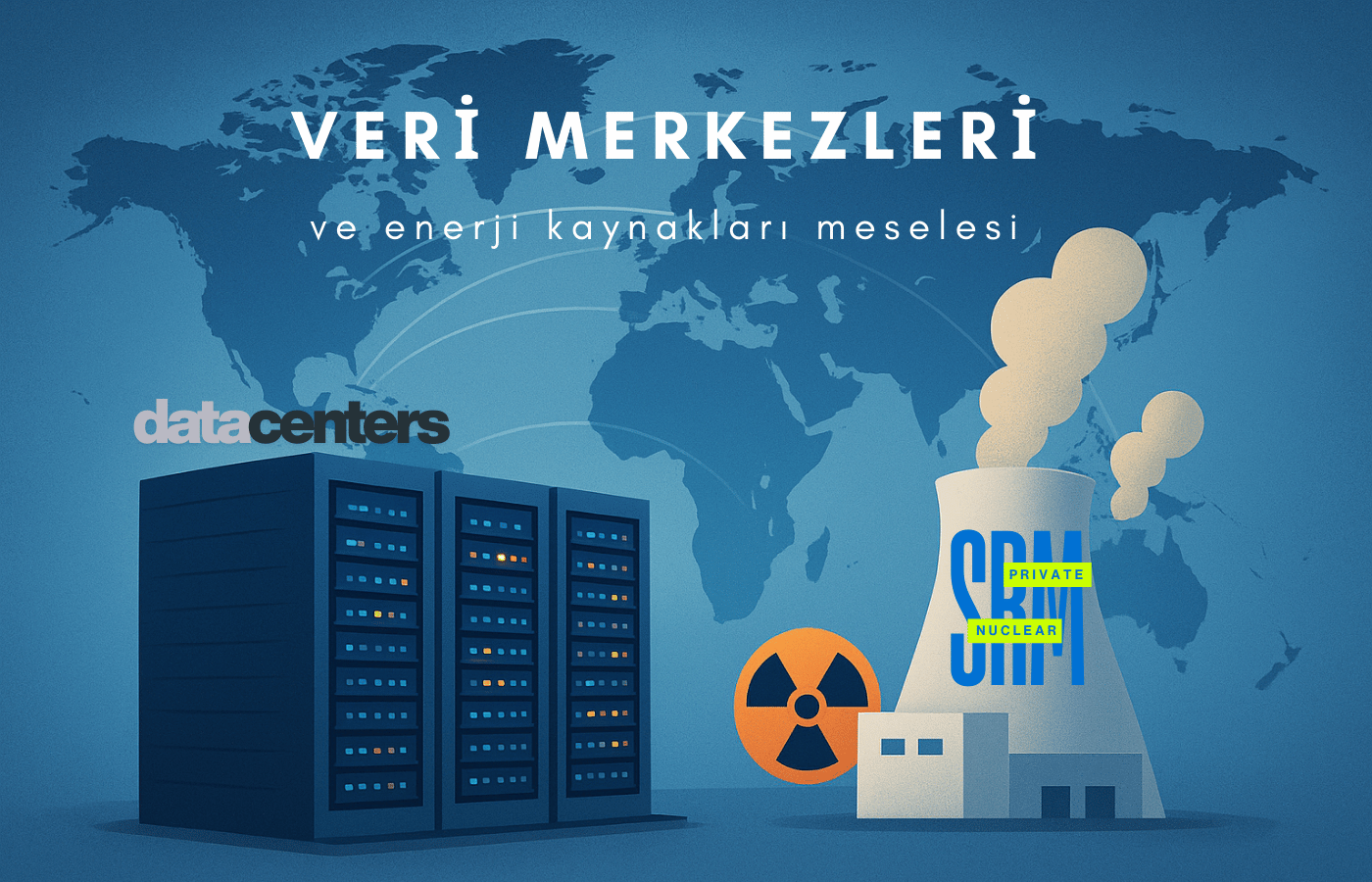
Data Centers and Energy Consumption
The Rising Share of Digital Infrastructure in Energy Consumption With the increasing digitization and the widespread adoption of AI applications, the energy demand of data centers is showing a significant rise worldwide. According to data for the 2023–2024 period, data centers account for approximately 1–2% of total electricity consumption. Due to cloud services, large language models, and continuous data flow, this energy consumption is expected to increase substantially over the…
-

Wage Increases, Inflation, and the Endless Cycle of Dissatisfaction
New Year periods are almost everywhere a threshold where economic expectations are recalibrated. In Turkey, however, this threshold has long been interpreted through the lens of wage increases. Minimum wage hikes, civil servant salary adjustments, collective bargaining agreements, and white-collar pay raises bring together very different expectations among groups exposed to the same inflation. The resulting picture is usually familiar: if wage increases are low, dissatisfaction grows; if they are…
-
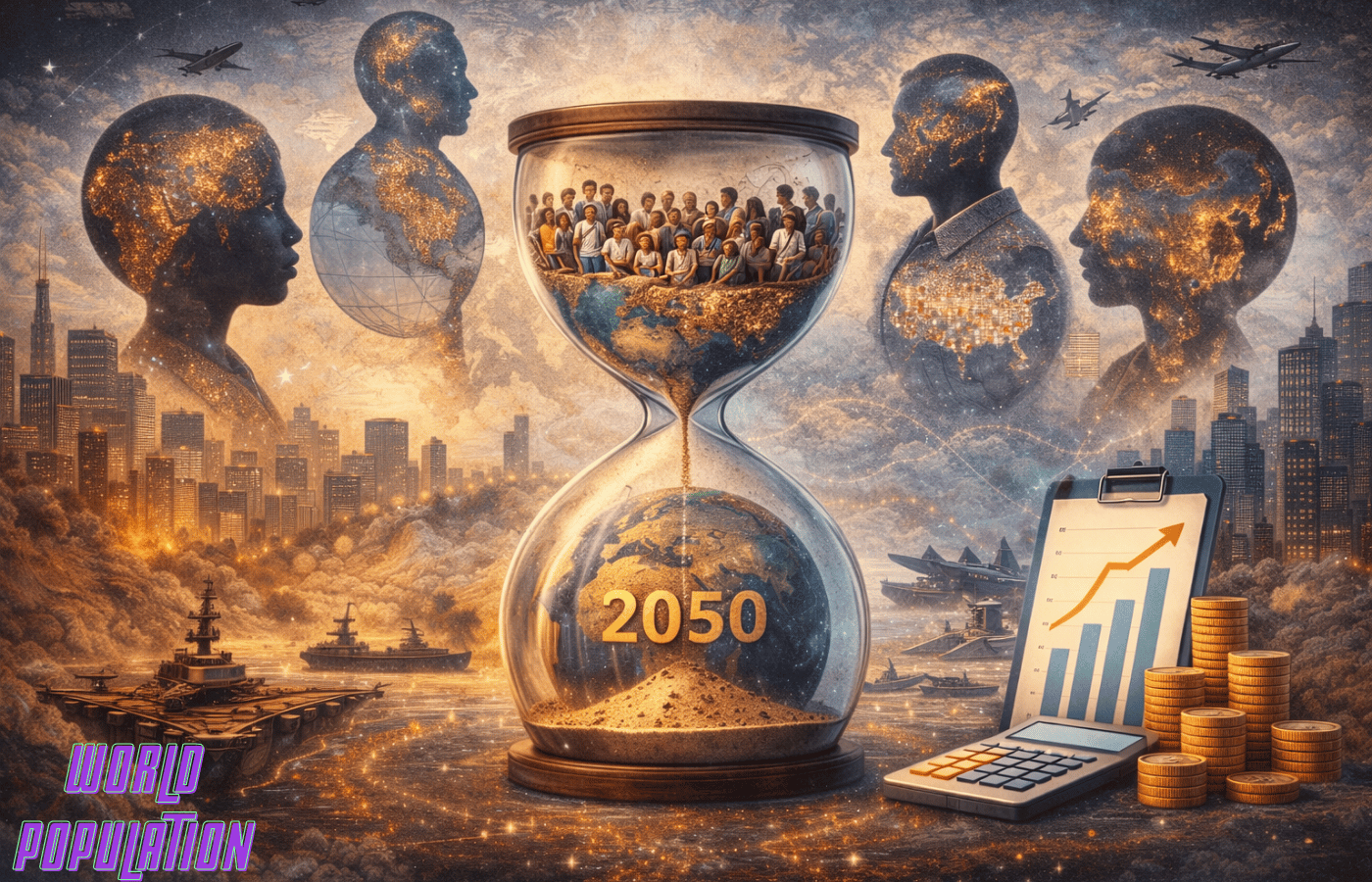
Demography and Power Balances
How Today’s Population Is Shaping the World of 2050 Demography is often a slow-moving force, yet its impact is remarkably deep. When trying to understand today’s political, economic, and military balances, most analyses focus on defense spending, technological capacity, or energy resources. In my view, however, the truly decisive factor is a quieter but far more persistent one: population structure. If current trends continue and no major corrective action is…
-
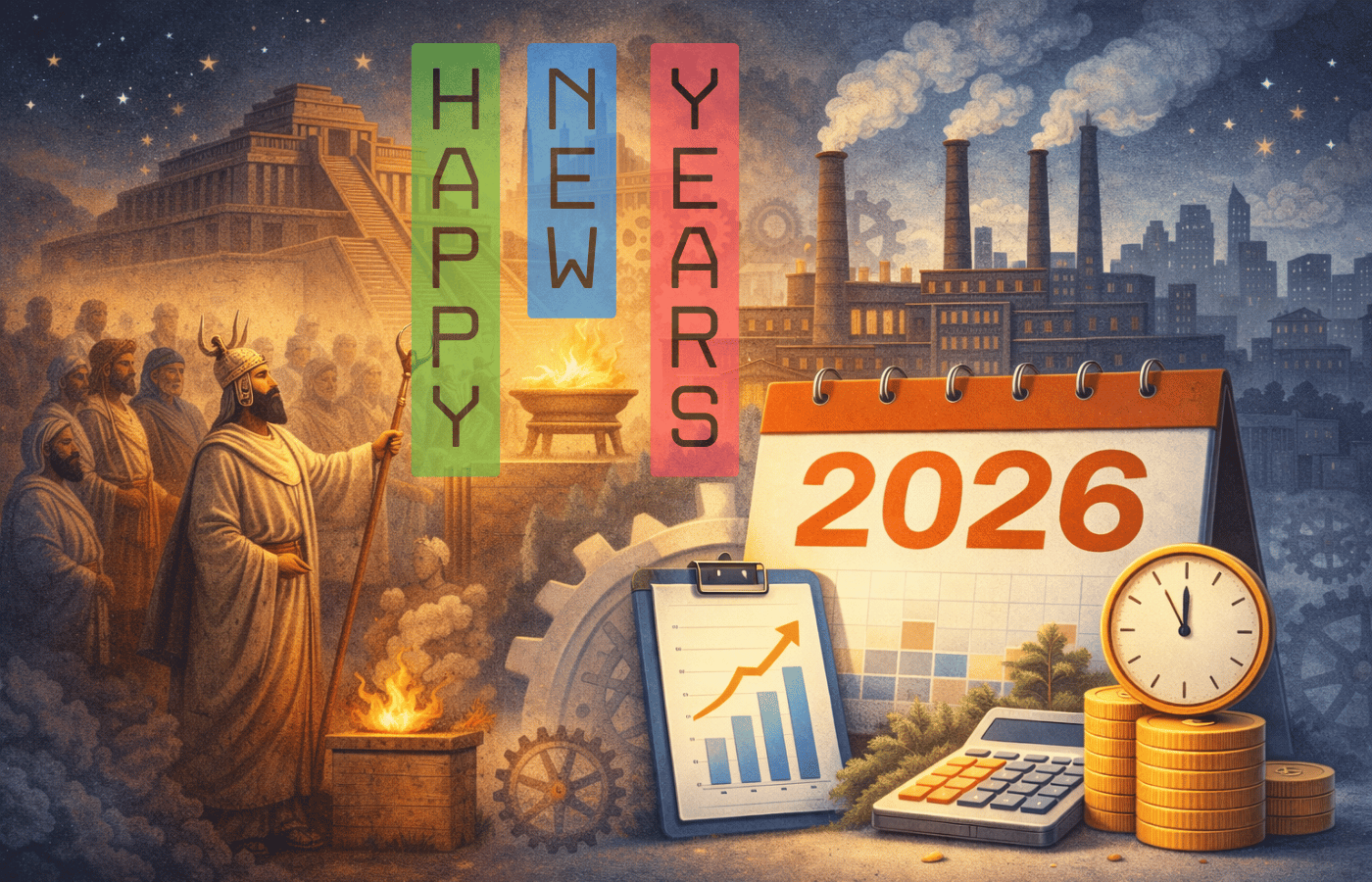
New Year and New Beginnings
As is well known, the New Year is not merely a symbolic threshold; it is a period that produces highly tangible outcomes in terms of the economy, business life, and individual expectations. New Year expectations go far beyond a simple change in the calendar; they represent a modern expression of humanity’s long-standing need to divide time into meaningful segments. The roots of this need are ancient, yet its effects today…
-
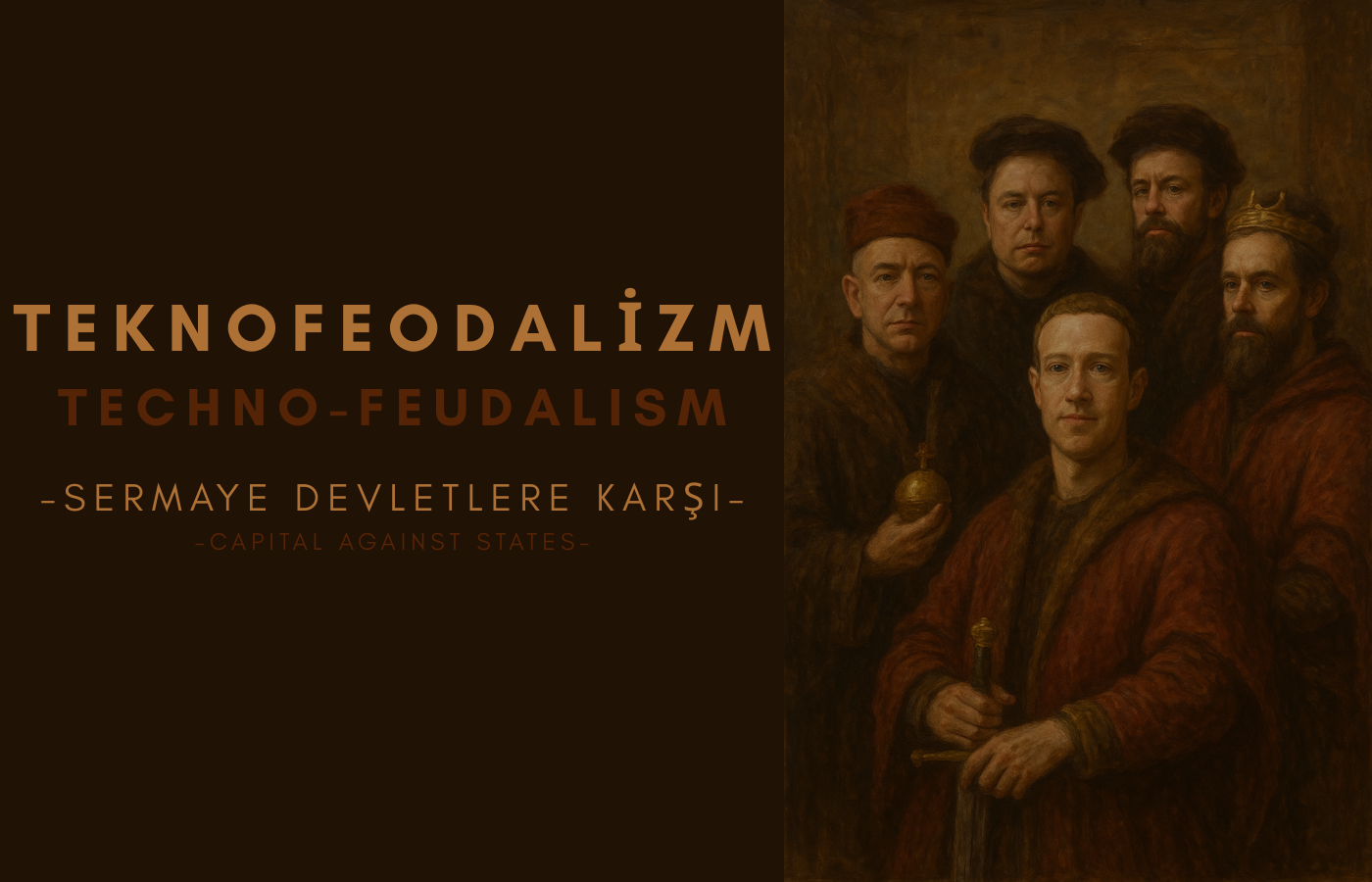
TECHNO-FEUDALISM
We’re living in a period where digital transformation is accelerating so quickly that it forces us to rethink not only classical economic models but also the social frameworks that used to feel solid. One of the concepts that keeps surfacing in these discussions is techno-feudalism. The term sounds dramatic at first — almost like asking, “Are we returning to the Middle Ages?” But the reality behind it is modern and…
-
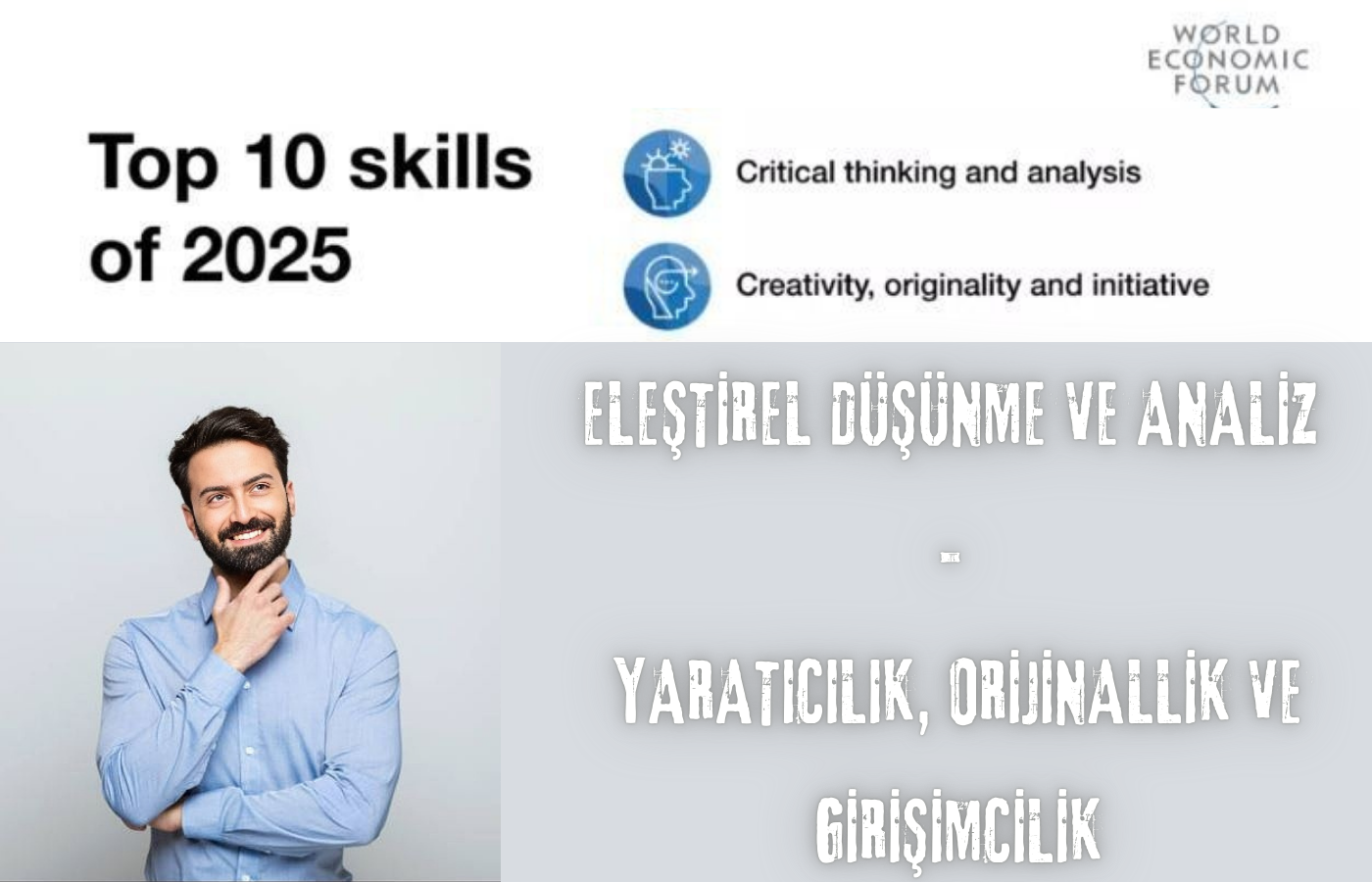
“Critical Thinking and Analysis” and “Creativity, Originality, and Initiative”
We’re continuing our “Top Ten Skills of 2025” series, and this time, we’re diving into “Critical Thinking and Analysis” alongside “Creativity, Originality, and Initiative.” Why are these abilities so crucial? How can we nurture and enhance them? And in what areas do they prove most beneficial? Let’s explore these questions together. The Importance of Critical Thinking and Analysis Critical thinking is about making informed, logical decisions. The World Economic Forum…
-
Tükiye’s “Independent Energy” Public Policy
Türkiye’s energy policy is an increasingly important issue. Türkiye’s balance of energy production and consumption, its efforts to reduce foreign dependency and its investments in renewable energy sources are a matter of curiosity. In particular, the fact that millions of people are considering electric vehicles and that the most important difference in the current account deficit comes from energy payments keep the issue on the agenda and will continue to…
-
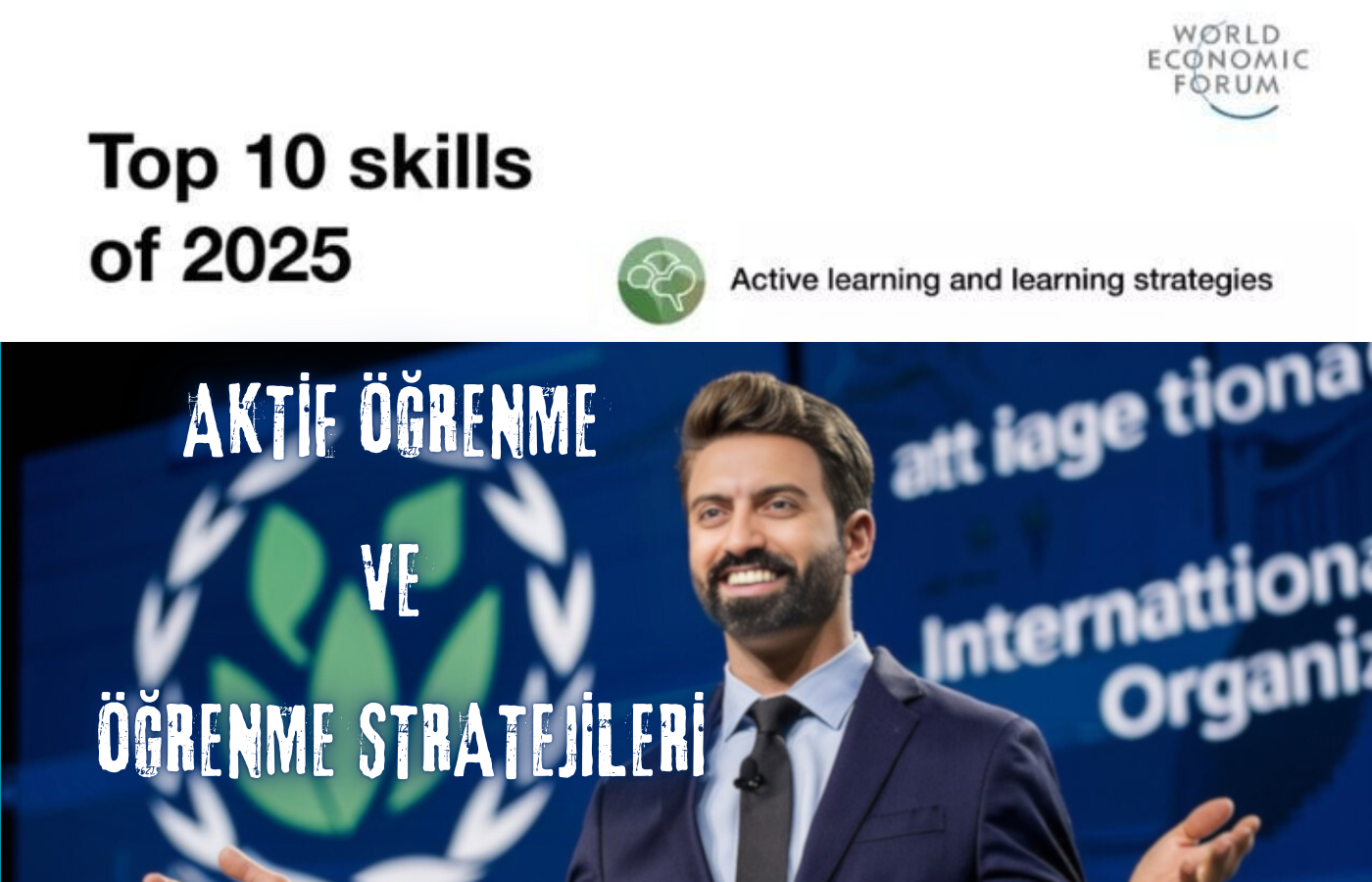
Active Learning and Learning Strategies
In our previous article, we explained why “analytical thinking and innovation” are among the key skills of the future. This blog post deals with the topic of active learning and learning strategies, which according to the World Economic Forum is the second most important key skill of the future. Active learning is an approach in which learners are actively involved in the learning process and internalize knowledge through application. Learning…