





Urbanizasyon, son iki yüzyılın en belirleyici toplumsal dönüşümlerinden biri olarak kabul ediliyor. Sanayileşme ile birlikte hızlanan bu süreç, eğitim olanakları, iş fırsatları, sağlık hizmetleri ve sosyal imkânlar nedeniyle milyonlarca insanı kırsaldan kentlere çekti. Türkiye’de olduğu gibi dünyada da bu göç dalgası, büyük şehirleri ekonomik merkezler hâline getirdi. Aynı zamanda ciddi bir yönetim krizinin eşiğine de taşıdı. Bugün geldiğimiz noktada ise köye dönüş, artık nostaljik bir hayal değil; küresel ölçekte tartışılan…
-

Zamlar, Enflasyon ve Bitmeyen Memnuniyetsizlik Döngüsü
Yeni yıl dönemleri neredeyse her ülkede ekonomik beklentilerin yeniden ayarlandığı bir eşik. Türkiye’de ise bu eşik, uzun süredir zam tartışmaları üzerinden okunuyor. asgari ücret zammı,…
-

Demografi ve Güç Dengeleri
Bugünün Nüfusu, 2050’nin Dünyasını Nasıl Şekillendiriyor? Demografi, çoğu zaman yavaş ilerleyen ama etkisi son derece derin olan bir güç. Bugünün siyasal, ekonomik ve askeri dengelerini…
-

Yeni Yıl Fırsatları
Yeni Yıl ve Yeni Başlangıçlar… Bilindiği üzere Yeni yıl yalnızca sembolik bir eşik değil; ekonomi, iş hayatı ve bireysel beklentiler açısından son derece somut sonuçlar…
-
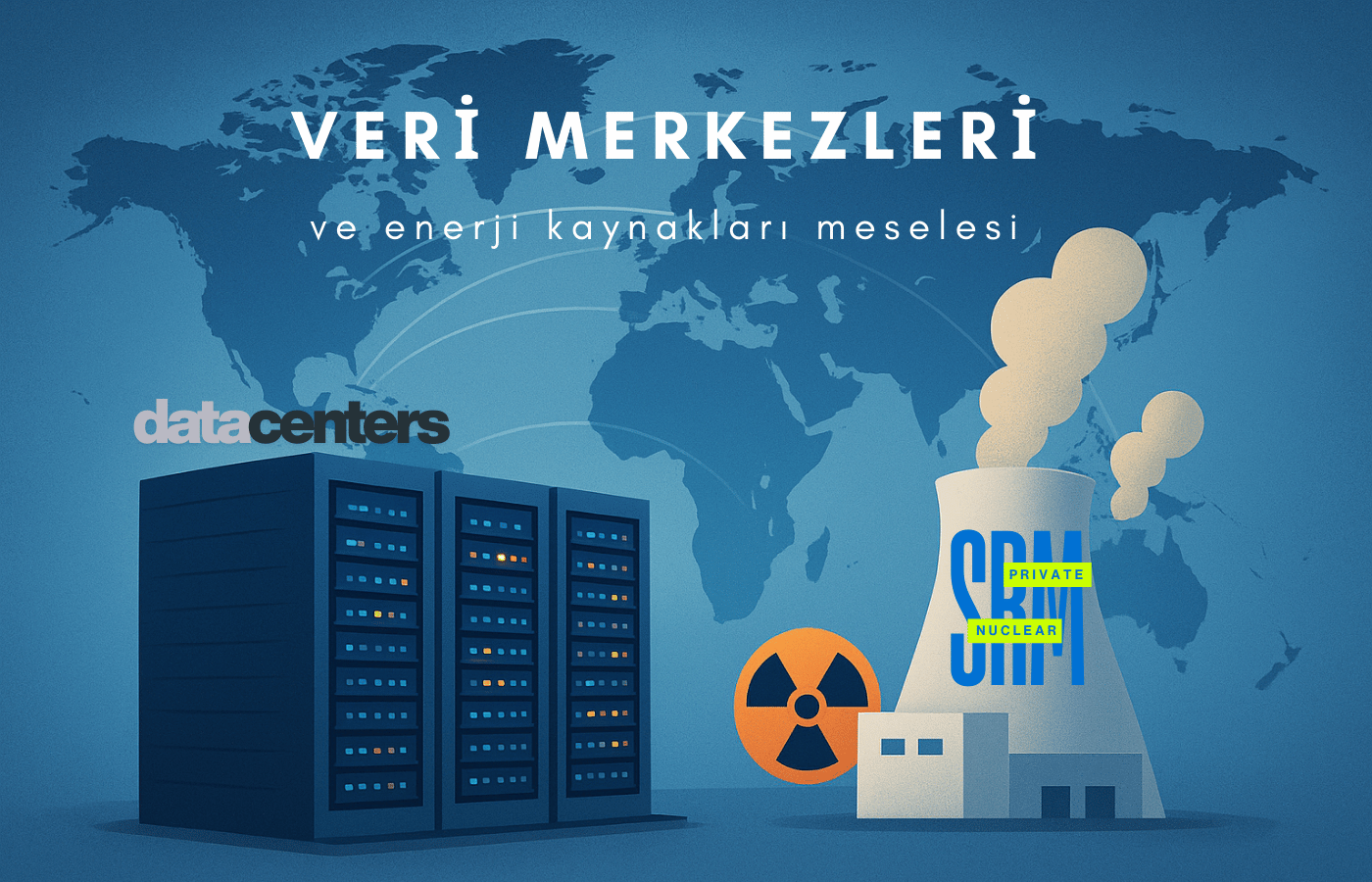
Veri Merkezleri ve Enerji Tüketimi
Enerji Tüketiminde Dijital Altyapının Yükselen Payı Dijitalleşme ve yapay zekâ uygulamalarının yaygınlaşmasıyla birlikte, veri merkezleri’ nin talep ettiği enerji küresel ölçekte dikkat çekici bir artış…
-
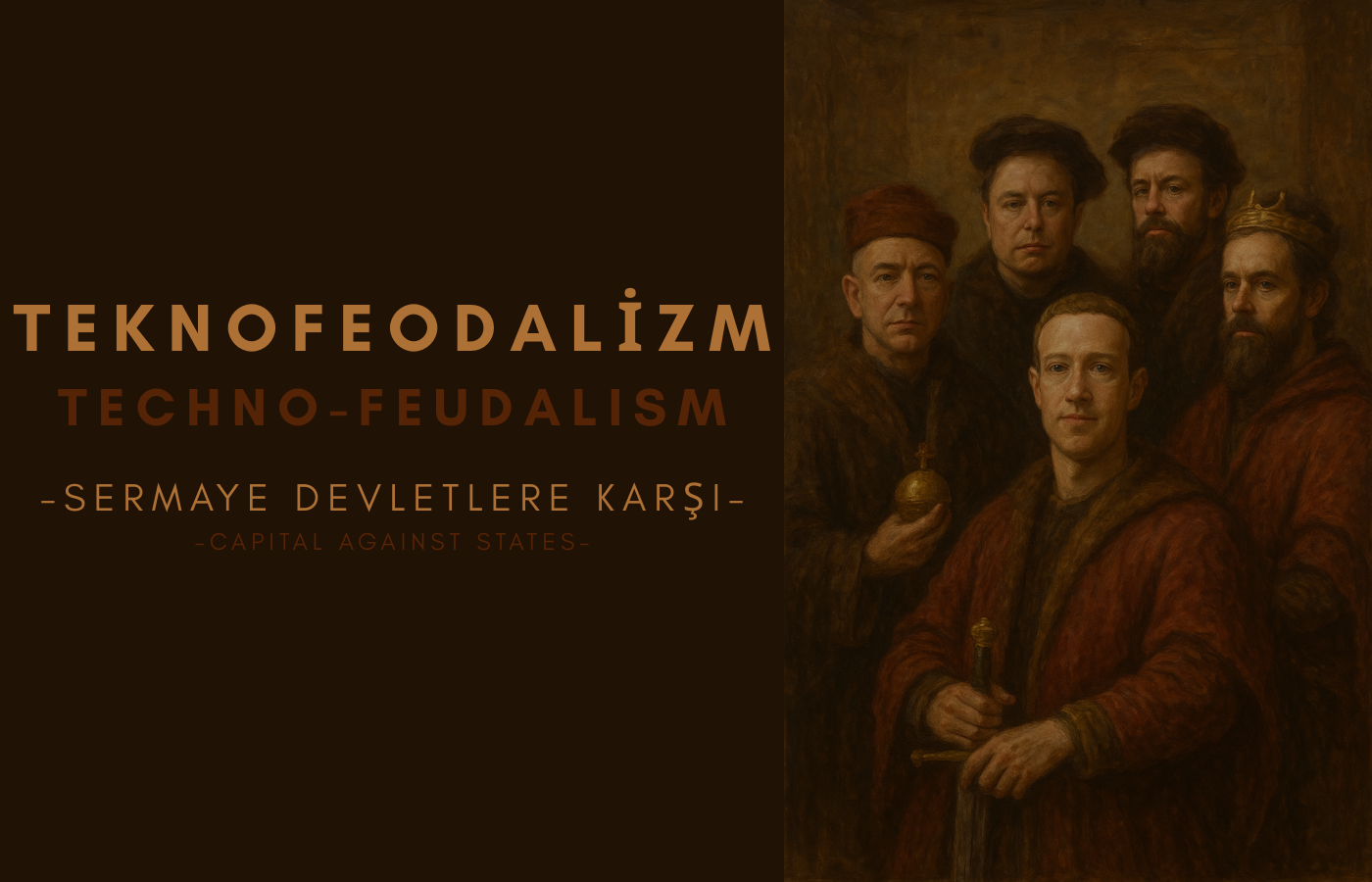
Teknofeodalizm – Şirketler Devletlere Karşı
Dijital dönüşümün hızlandığı bir çağın içindeyiz ve bu hız, klasik ekonomik modelleri de, toplumsal yapıları da yeniden düşünmemize neden oluyor. Son dönemde karşımıza sık sık…
-

Negatif İnsanlarla Yaşama Sanatı.
Negatiflik, modern yaşamın karmaşıklığı içinde giderek daha yaygın hale gelen bir tutum. Stres, belirsizlik, ekonomik zorluklar ve toplumsal baskılar, birçok insanın negatif bir bakış açısına…
-
Kendinizi Ne Kadar Tanıyorsunuz?
‘‘Kendini tanıma‘‘ nedir ve ne işe yarar? Bu yazıda kendinizi tanımak için yöntemler ve stratejiler sunmaya çalışacağım. Kendini tanımak Şöyle bir kısa tanımlamayla başlayabiliriz bence…
-
Yön Eylem: Bir Stratejik Planlama Disiplini
Yön Eylem (Operations Research – OR), karmaşık karar problemlerini analiz ederek en uygun çözümleri bulmak için matematiksel modellerin, istatistiksel analizlerin ve algoritmaların kullanıldığı bir disiplin…