
Turkey's "Independent Energy" Policy
Turkey's energy policy is a topic gaining more importance by the day. Our country's balance of energy production and consumption, efforts to reduce foreign dependency, and investments in renewable energy sources are matters of curiosity. Reasons such as millions of people putting the use of electric vehicles on their agenda, and energy payments constituting the most significant difference in the current account deficit, keep the issue constantly on the agenda and will continue to do so.
What does the big picture tell us?
According to 2023 data, Turkey's energy production is at the level of approximately 300 terawatt-hours (TWh) per year. However, the energy need is above this figure, around 360 TWh. In this case, we have to import energy from outside to close our energy deficit. Countries such as Russia, Iran, and Azerbaijan are among our main energy suppliers. We meet a large portion of our energy needs by purchasing natural gas and oil from these countries.
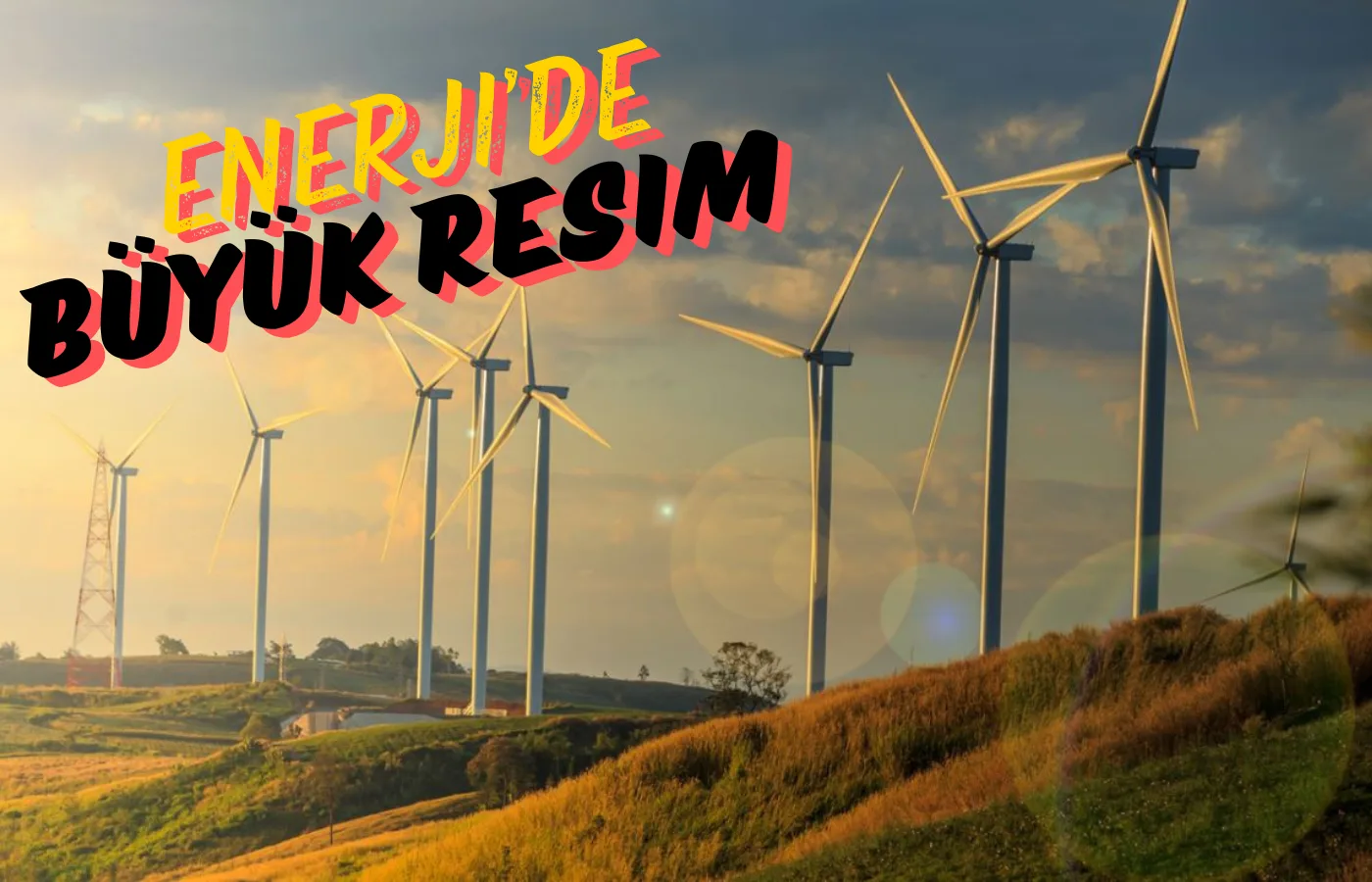
In energy production, Turkey utilizes various sources. These include natural gas, coal, hydroelectricity, wind, solar, and geothermal energy. It is expected that nuclear energy will also be included among these in the coming years. Production of wind and solar energy is increasing rapidly, especially with the investments made in renewable energy sources in recent years. As of 2023, Turkey recorded a significant increase in electricity generation from renewable energy sources. According to reports from the Ministry of Energy and Natural Resources, renewable energy sources account for 40% of total energy production.
What kind of picture will we face in the medium term?
First of all, it is clear that investments in renewable energy sources should continue. Turkey's solar energy potential is quite high. Especially the Southeastern Anatolia Region possesses ideal conditions for solar energy production. A similar situation applies to wind energy. The Aegean and Marmara Regions are highly advantageous in terms of wind energy potential.
Another important source, Turkey's steps regarding nuclear energy, also forms a significant part of its energy policies. The Akkuyu Nuclear Power Plant, whose construction phase was completed in 2023 and is planned to become operational soon, is one of the largest projects in this field. Located in Mersin, this power plant will contribute approximately 35 billion kilowatt-hours (kWh) per year to Turkey's energy production when completed. Besides Akkuyu, Turkey is also carrying out work for its second nuclear power plant project, the Sinop Nuclear Power Plant. Nuclear energy is evaluated as an important option to increase Turkey's energy supply security and reduce its dependence on energy imports. On the other hand, I would like to point out that these investments are criticized at a time that coincides with the West shutting down its existing power plants while transitioning from nuclear energy to renewable energy sources. It seems that Turkey continues to move forward by taking risks on this issue. With these projects, it aims to contribute to the sustainability of energy policies by increasing energy diversity.
So, what are the duties falling upon the state, companies, and consumers to achieve energy independence? The state needs to provide incentives and support for renewable energy projects and disseminate energy efficiency policies. It is important for the private sector to invest in renewable energy projects and focus on R&D efforts. Consumers, on the other hand, should become conscious about energy saving, use devices with high energy efficiency, and prefer renewable energy sources.
Turkey's solar and wind energy potential is quite high. According to 2023 data, Turkey's installed solar energy capacity has exceeded 10 gigawatts. In wind energy, there is an installed capacity close to 11 gigawatts. Turkey also ranks among the top in the world in geothermal energy. According to the targets of the Ministry of Energy and Natural Resources, it is planned to increase the share of renewable energy sources in total energy production to 50% by 2027.
Is an independent Turkey in energy possible?
Due to reasons such as increasing population and escalating consumption connected to it, countries possessing natural energy sources using this as a power tool, or regional tensions they experience, the topic of energy resources evolves into an independence struggle at a certain point. The International Energy Agency (IEA), one of the most authoritative international organizations on energy policy, emphasizes the importance of Turkey's investments in renewable energy. According to IEA reports, investments made in renewable energy stand among the key steps that will contribute to Turkey's energy independence.
In summary, the state's encouraging policies, companies' innovative projects, and consumers' conscious energy use carry great importance for energy independence. Investments made in renewable energy sources and energy efficiency studies will be the cornerstones of Turkey's future energy policies.
Turkey's energy policy should continue to be shaped in line with the goal of a sustainable and independent energy future. To reach these targets, investments made in renewable energy sources must continue to increase, energy efficiency policies must be disseminated, and energy saving awareness must be adopted throughout society. Thus, Turkey can move forward with confident steps toward energy independence.