
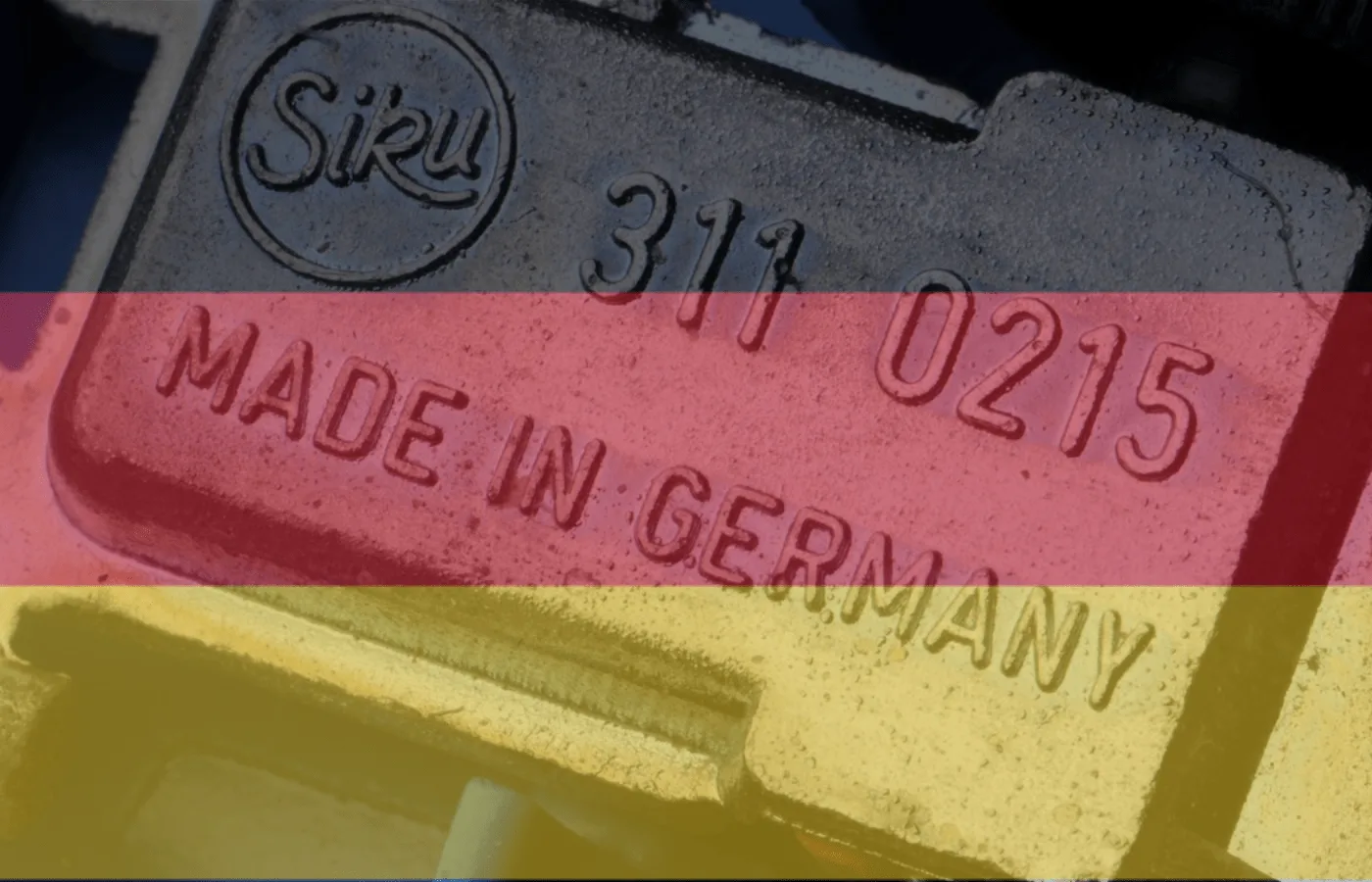
”Made in Germany”
Germany and Britain: The Story of Post-Industrial Revolution Competition
When we think of Germany-Britain rivalry, the First and Second World Wars and the millions of people who lost their lives naturally come to mind first. But this power struggle has other fronts that date back even earlier, outside the battlefields. The struggle of German industrialists, who could not remain indifferent to the British dominance formed after the Industrial Revolution, is one of these fronts and is instructive in many respects. If you like, let's briefly take a look at what happened in the past and draw some lessons.
The Industrial Revolution and British Goods
The beginning of this interesting story dates back to the Industrial Revolution. The Industrial Revolution began in Britain in the late 18th century and rapidly took the whole world under its influence. Thanks to steam power, machinery, and the factory system, Britain multiplied its production capacity and dominated global markets. British goods became synonymous with quality and innovation, and the "Made in England" label became a symbol of reliability.
The Germans and the Era of Copying British Goods
However, Germany also wanted to join this race. In the mid-19th century, German industrialists tried to increase their own production by copying British goods. The British were uncomfortable with this strategy of the Germans, and in 1887, they made it mandatory to place the "Made in Germany" label on products coming from Germany. This move was actually made to create the perception that German goods were of poor quality.
"Made in Germany" and the German Success
However, things did not go as planned. Instead of seeing this label as a disadvantage, German industrialists evaluated it as an opportunity to improve their quality. Germany raised its quality by integrating science and technology into production processes and began developing innovative products. Over time, the "Made in Germany" label transformed into a symbol of quality and reliability. German engineering and meticulous craftsmanship began to earn global appreciation.
Underlying Reasons for German Success
There are several important factors behind this great success of the Germans.
Germany established a strong education system by placing great emphasis on education and science. Universities and technical schools raised a qualified workforce to meet the needs of the industry. In addition, German companies made massive investments in research and development activities. They focused on continuously developing innovative technologies and products.
The attention they paid to quality control processes was also remarkable. They established a meticulous inspection mechanism at every stage, from production to sales. This ensured that German products were recognized as reliable and high-quality worldwide. Furthermore, German business culture is built on efficiency and discipline. This approach enabled production processes to be effective and error-free.
As a result, the success of the Germans can be explained by their investments in science and technology, their innovative approach, the importance they attach to quality, and their disciplined working culture. These factors enabled Germany to become a world leader in industrial and engineering fields.
The Situation Today: Germany vs. Britain
Today, Germany stands out as Europe's largest economy and the world's fourth largest economy. German automobiles, machinery, and chemical products are in high demand worldwide. Britain is still a strong economy, but it plays a more limited role compared to Germany's production capacity and technological superiority.
While Britain's dominance in the financial sector and services area continues, Germany is in a leading position in industry and engineering. Britain's departure from the European Union after Brexit caused changes in economic dynamics, and Germany seems to have strengthened even further as the economic engine of the EU.
Sources:
"The German Genius: Europe's Third Renaissance, the Second Scientific Revolution, and the Twentieth Century" by Peter Watson – A comprehensive book telling the story of German success in science, technology, and industry.
"Germany: Memories of a Nation" by Neil MacGregor – An impressive work describing the history and cultural development of Germany.
"The Industrial Revolutionaries: The Making of the Modern World 1776-1914" by Gavin Weightman – A book addressing the global impacts of the Industrial Revolution and key figures in this process.