
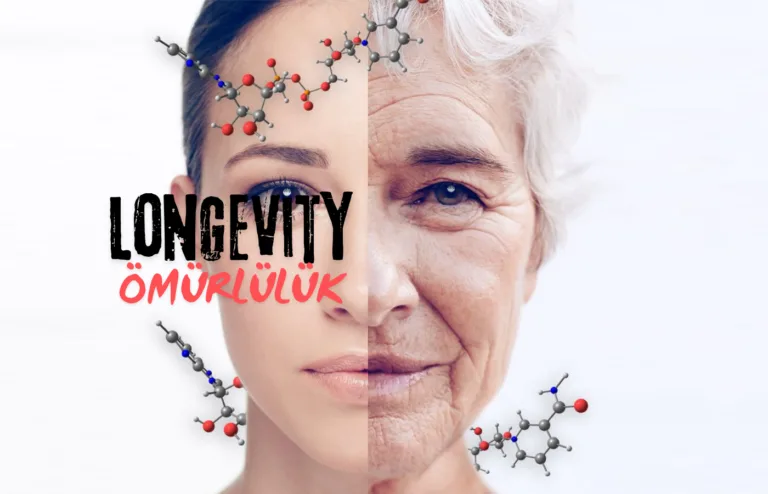
Longevity
Let's chat a bit about living a long life, or to use a more popular phrase, "longevity." Although we have not yet found the secret to immortality—a subject even of mythological stories—extending our lifespan is possible to a certain degree. Slowing down the human aging process, living a longer and healthier life, and the promises of medical and technological developments in this regard have always been intriguing.
So, why has longevity become so important? Actually, there are many reasons for this. The stress brought on by modern life, inactivity, and poor eating habits have serious effects on people. However, on the other hand, great progress is being made in the fields of medicine and technology. This dilemma causes us to question what the issue of long life means in today's existence.
Yesterday of the MatterLooking at the historical stage, understanding whether human lifespans have lengthened will be an interesting journey. In ancient times, people's lifespans were generally short. Epidemic diseases, insufficient medical knowledge, and harsh living conditions were effective in this. However, today, with the development of medical science and the significant improvement in living standards, human life expectancy has extended considerably. According to World Health Organization reports, global average life expectancy has nearly doubled in the last century. This is a major transformation, and in addition to medicine, improvements in nutrition and hygiene standards have contributed to this situation.
It is a fact that wars shorten lives. When we look at the dark periods of history, we see that conflicts not only claimed people's lives but also negatively affected the general health level of societies. Wars caused the spread of epidemic diseases, food shortages, and the deterioration of general health conditions. On the other hand, it is also a fact that medical technologies developed rapidly during wartime. Some fundamental discoveries of modern medicine emerged in response to urgent needs during war periods.
TodayToday, the technology and medicine sectors approach the topic of longevity from quite different angles. Yes, these fields have become a major source of revenue. From anti-aging creams to genetic editing, many new products and services are being brought to market. However, is the underlying main goal behind all of this really to extend human life? Or is it simply a marketing strategy? The answer to this question is somewhat complex. Advances in technology and medicine have immense potential to extend human life. However, in this process, economic gains are certainly not ignored either.
So, what do countries with the longest average life expectancies worldwide do differently? The answer to this question does not lie solely in medical developments, of course. The long lifespan in countries like Japan, Switzerland, and Italy is largely related to lifestyle. In these countries, people pay attention to healthy eating, regular exercise, and low stress levels. Furthermore, healthcare systems in these countries are quite developed for normal times. (During the COVID-19 period, the Italian healthcare system faced a tough trial.) In Japan, for example, maintaining an active life even at an advanced age is encouraged, and general health awareness in society is exceptionally high.
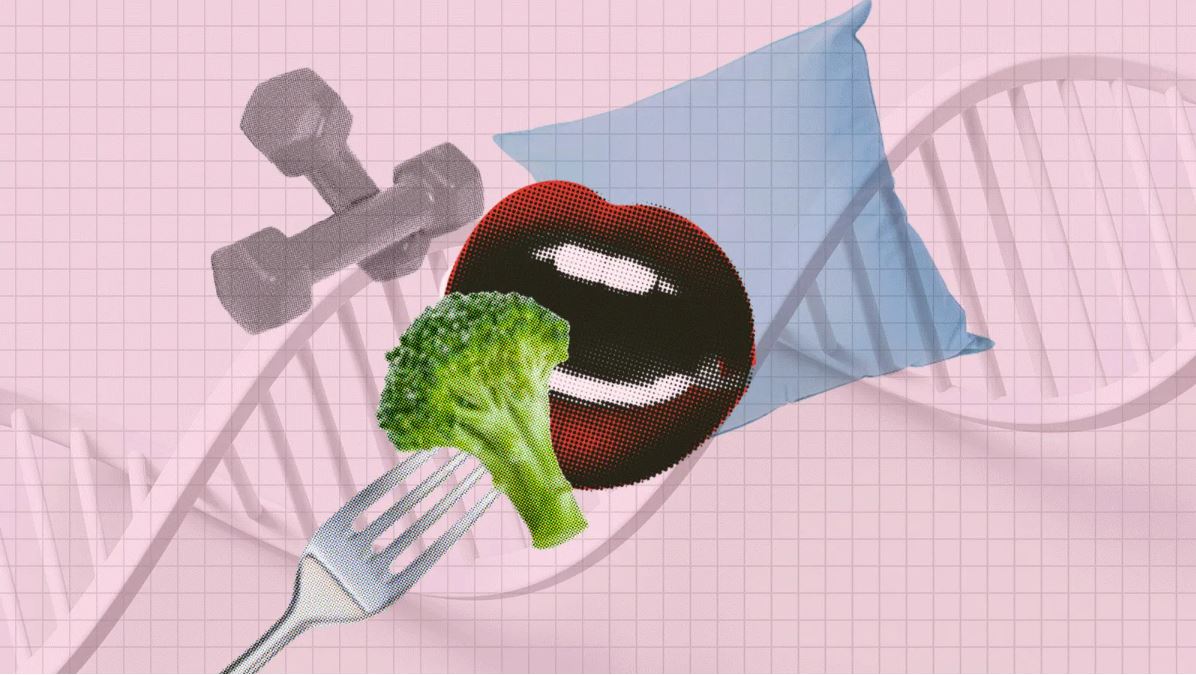
International organizations such as the World Health Organization (WHO) and the United Nations are also conducting important studies on longevity. For instance, according to WHO reports, healthy lifespan is directly linked not only to medical interventions but also to social and environmental factors. Long life is made possible not just by treating diseases, but in parallel by adopting a healthy lifestyle.
WHO offers various strategies and recommendations for sustaining a long and healthy life. These recommendations are generally aimed at protecting health, preventing diseases, and enhancing the quality of life. Here are some predictable key recommendations it highlights:
Balanced NutritionWHO emphasizes that a healthy and balanced diet is fundamental to longevity. It is recommended to include fruits, vegetables, whole grains, healthy fats, and protein sources in one's diet. It states that processed foods, excessive sugar, salt, and trans fat consumption should be avoided. Such foods can increase the risk of chronic diseases (such as heart disease and diabetes).
Physical ActivityRegular physical activity is indispensable for a healthy life. WHO recommends performing at least 150 minutes of moderate-intensity aerobic exercise (such as walking, cycling, swimming) per week. Additionally, muscle-strengthening exercises twice a week are recommended. As you know, physical activity prevents obesity, supports cardiovascular health, and increases overall quality of life.
Avoiding Tobacco and Alcohol ConsumptionAccording to experts, smoking and excessive alcohol consumption cause serious harm to health and shorten lifespan. WHO recommends quitting smoking completely and keeping alcohol consumption to a minimum level. Tobacco use can lead to serious health problems such as various types of cancer and heart disease, while excessive alcohol consumption can cause liver disease and other health problems.
Protecting Mental HealthWHO underlines that mental health is as important as physical health. Stress management, adequate sleep, strengthening social relationships, and seeking professional support when necessary are some of the ways to protect mental health. Mental health issues can lower the quality of life and negatively affect lifespan.
Regular Health ChecksWHO also recommends that individuals undergo regular health check-ups. These check-ups are of critical importance for the early diagnosis and prevention of diseases. Especially after a certain age, regular screenings for common diseases such as heart conditions, diabetes, and cancer are essential.
Supporting Healthy Living EnvironmentsResearch and reports state that environmental factors are also important for leading a healthy life. Access to clean water, hygienic conditions, safe and clean air are necessary elements for a long and healthy life. Furthermore, societies developing policies that support healthy living (for example, legal regulations promoting healthy eating) are also recommended by WHO.
Strengthening Social and Family TiesIn addition to these, it is emphasized that strong social relationships and family ties have a significant impact on a long and healthy life. Social support contributes to reducing stress, improving psychological health, and increasing overall quality of life.
These recommendations by WHO serve as a universal guide to enhancing general health and quality of life. These strategies can help individuals evaluate their own lifestyles and take steps toward healthy living. Following these recommendations to lead a long and healthy life yields great benefits at both individual and societal levels.
Looking to the future, there is much hope that human lifespan will extend even further. Innovations such as genetic engineering, AI-supported healthcare services, and personalized medicine hold great potential in this area. However, there is another important question here: Will these technologies be accessible to everyone? Or will longevity become a luxury reserved only for a certain segment? The answer to this question depends on how societies adapt to these technologies and how these services are distributed.
In today's world, longevity has become not only an individual goal but also a social and economic topic. Alongside the opportunities that long life brings, there are also accompanying challenges. But above all, the importance of living a healthy life has never been greater. Longevity should be measured not just by the number of years we live, but by the quality of those years. Therefore, attributing importance to longevity at both individual and societal levels will be the most accurate step to take for a healthy and long life.