
Greenwashing: Behind the Scenes of a Trend and Its Harms
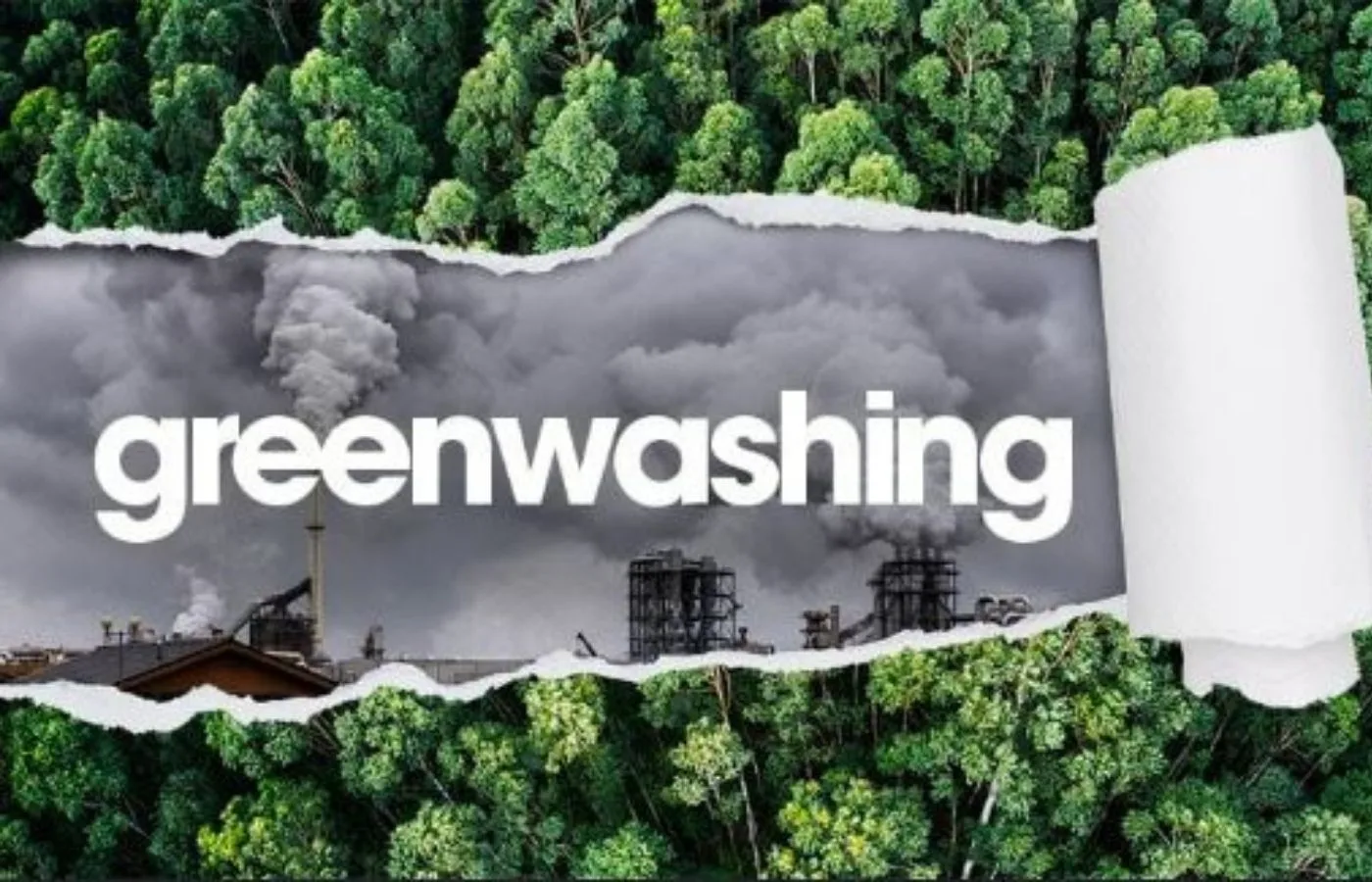
With the rise of environmental awareness today, many companies announce that they are taking steps in the name of sustainability. However, rather than making a genuine contribution to the environment, many of these steps are used merely as a public relations strategy. Defined in the literature as "greenwashing," this strategy is explained as "companies presenting misleading information to hide their non-environmentally friendly activities or to appear more eco-friendly." So, what are the harms of this trend, and why do businesses prefer this path? Let's take a look behind the scenes of greenwashing with a detailed analysis.
The Harms of Greenwashing
Consumer Trust is Eroded: When consumers realize they have been misled while purchasing products they believed to be environmentally friendly, they lose trust in brands.
Genuine Environmental Efforts Are Overshadowed: Greenwashing overshadows the work of companies that genuinely strive to contribute to the environment, making it harder for them to come to the fore.
Waste of Resources: Large amounts of resources spent on greenwashing could actually be directed toward projects that provide real environmental benefits.
Weakening of Regulatory Rules: Greenwashing makes it difficult for regulatory institutions to inspect environmental claims, potentially rendering regulations ineffective.
Resources Spent on Greenwashing
Globally, billions of dollars are spent on greenwashing campaigns. Significant budgets are allocated for advertising campaigns, fake eco-friendly certificates, sponsorships, and public relations efforts. For example, some major oil companies run multi-million-dollar advertising campaigns to promote their eco-friendly projects. However, most of these campaigns serve to conceal the total environmental impact of these companies.
Why Do Businesses Prefer Greenwashing?
Competitive Advantage: An eco-friendly image plays an important role in consumer preferences. By greenwashing, companies aim to get ahead of their competitors.
Marketing Strategy: Eco-friendly messages are used as an effective tool in marketing strategies to attract consumers.
Avoiding Regulatory Pressure: Some businesses aim to reduce pressure coming from regulatory bodies by resorting to greenwashing.
Impact on the Perception of Sustainability
Greenwashing overall negatively impacts the perception of sustainability. When consumers encounter false eco-friendly claims, they may lose faith in genuine sustainability efforts. In the long run, this reduces the impact of environmental initiatives and policies.
Necessary Regulations
Stricter Regulatory Rules: Stricter and more comprehensive regulations verifying the accuracy of environmental claims must be introduced.
Transparency and Accountability: Companies must report their environmental impacts and sustainability efforts in a more transparent manner and remain accountable.
Consumer Education: Consumers should be made aware of greenwashing and educated on how to recognize false eco-friendly claims.
Let's Remember a Few Notable Examples That Remain in Mind...
Volkswagen Emission Scandal: Volkswagen claimed to be eco-friendly by manipulating the emission tests of its vehicles. When the scandal was uncovered, both the company's reputation and financial standing were severely damaged. This incident stands as a striking example of how destructive greenwashing can be.
BP's "Green" Advertising Campaigns: BP is known for big-budget advertising campaigns promoting its eco-friendly projects. However, events such as the Deepwater Horizon oil spill created major question marks regarding the company's environmental impact. BP's campaigns stand among the most famous examples of greenwashing.
Nestlé's Water Usage Claims: Nestlé claims to manage water resources sustainably. However, it was revealed that the company overused water resources in certain regions, making access to water difficult for local communities. This situation highlights the social impacts of greenwashing as well.
H&M's "Conscious Collection" Series: H&M claimed sustainable fashion with its "Conscious Collection" series. However, the lack of transparency regarding how sustainable the production processes and materials of this collection truly were brought along criticism of greenwashing.
Greenwashing may provide short-term benefits to companies, but in the long run, it can inflict severe harm on both companies and the environment. Genuine sustainability efforts must be supported, and false claims must be prevented by regulatory institutions. Educating consumers and encouraging companies to be transparent are critical steps to preventing greenwashing. Let's not forget that protecting our environment is a shared responsibility, and we must act with awareness of this responsibility.