
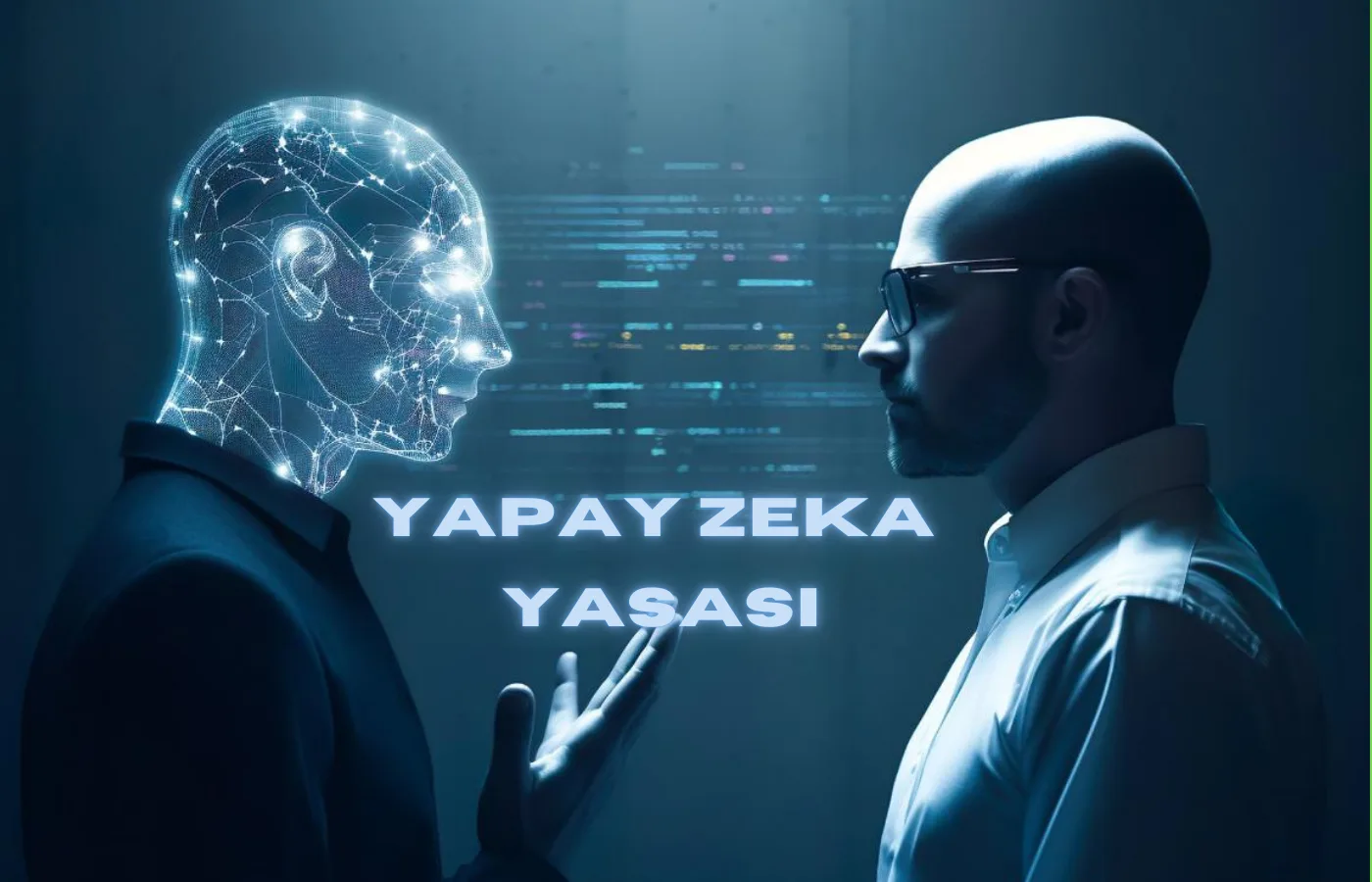
European Union Artificial Intelligence Act: The Balance Between Safety and Innovation
Artificial intelligence (AI) continues to rapidly integrate into every aspect of our lives. While this integration and its becoming an indispensable part of our existence bring great conveniences and innovations on one hand, they raise serious concerns regarding security and ethics on the other. Right at this point, the European Union has finally entered the game seriously for the first time with its Artificial Intelligence Act, stated its stance, and attempted to draw the framework. I say attempted, because when it comes to AI, the boundaries are vast and the areas it touches are numerous. So, what does this law include and where do its boundaries lie for now?
Fundamental Rights and Freedoms at the Forefront
At first glance, the European Union's Artificial Intelligence Act appears to be a benefit-oriented regulation aiming to make the best use of the opportunities brought by technology. However, protecting citizens' rights and fundamental freedoms is also at the heart of this regulation. The objective of the law is to take high-risk AI applications under control, creating a shield against the misuse of these technologies. The phrase "high-risk" is quite critical here, meaning the law demonstrates an approach by categorizing risks. Therefore, the initial debate begins right at the point of "risk" and the "evaluation of risk boundaries" (!).
Sanctions from the Perspective of Security Policies
With the new regulation, severe restrictions are imposed on sensitive issues such as the use of biometric identification systems by law enforcement. The "real-time" use of these systems will only be possible in very special circumstances (!), in line with prior authorizations. Except for emergencies such as preventing terrorist attacks or searching for a missing person, such applications will be subject to strict oversight so as not to violate citizens' privacy and rights. (Am I the only one reminded of the "Minority Report" movie here, I wonder?)
Considering the potential risks of artificial intelligence, explicit obligations are introduced, particularly for high-risk systems. AI systems used in many critical areas, from healthcare services to banking, and from education to employment, will need to be transparent, accurate, and open to human oversight. This aims to increase users' trust in artificial intelligence systems. Furthermore, citizens will have the right to submit complaints regarding these systems and receive meaningful explanations regarding decisions that affect their rights.
Social Scoring Application is Far Away from Europe for Now
One of the most remarkable topics in debates related to artificial intelligence is social scoring and manipulation. The law's stance on this point is extremely clear: unethical applications that exploit people's vulnerabilities, manipulate their emotions, or systems such as social scoring will strictly be banned. This step will ensure that individuals are seen not merely as data points, but as human beings with rights. (It has become essential to address China's implemented "Social Credit" application separately in another article.)
Aiming to Support Start-ups and Small-to-Medium Enterprises as Well
This law also aims to support innovation. To enable small and medium-sized enterprises (SMEs) to play a more active role in the field of artificial intelligence, supportive measures such as regulatory sandboxes and real-world testing will be introduced. (In this environment, companies and entrepreneurs can test their products and services—which would normally be subject to legal and regulatory limitations—under real-world conditions for a certain period. Regulatory authorities grant certain flexibilities during this process, considering the potential benefits of innovation.) Thus, it is aimed to overcome the obstacles these enterprises face during the process of developing new technologies.
Of Course, This Law Will Also Have Penal Sanctions
According to the law, "General-purpose AI systems" (GPAI) will be subject to high transparency requirements. Manipulative content, especially deepfakes, will clearly need to be labeled. The EU's sensitivity on this matter aims to prevent the misinforming and misleading of society. Additionally, it will be mandatory to clearly specify the data used during the training processes of these models. This will ensure both the protection of ethical values and the enhancement of system reliability. As you know, ethical debates in the field of artificial intelligence and machine learning have frequently been on the agenda in recent years, and it was highlighted that deliberate misinformation or biases were also being taught to systems.
Although the step taken by the EU reflects the EU spirit known as a defender of human values, it also sends certain signals to the technology world, which is advancing and growing at an untraceable speed. In an era where lawmakers could not catch up with the pace of technology, major initiatives made significant breakthroughs behind closed doors, effecting a REVOLUTION partly at the expense of disrupting things, and AI reached a certain level. These same firms have accelerated their efforts to develop products and technologies with a final burst of speed before the EU law and similar regulations come into force. (It is certain that we will meet many new products and applications one after another before the new law, in a rush to save what they can.) While on one side firms demand freedom and profitability, law enforcement has the drive to control everyone, and on another side lies the reality of fear that individuals' spaces of freedom are under threat, many more debates will emerge from this picture in the upcoming period.
In short…
The European Union Artificial Intelligence Act emerges as a comprehensive regulation aimed at encouraging technological developments while simultaneously safeguarding citizens' safety and rights. As this law shapes Europe's digital future, it aims to establish a structure based on ethics and law. Europe's desire to maintain its leadership role in this field is clear; however, the contribution of all segments of society is also needed during this process. The developments and regulations on the fronts of the real major actors in this field, the US and China, will be the true determiners of our shared future.
Let's see how long Europe will be able to resist…